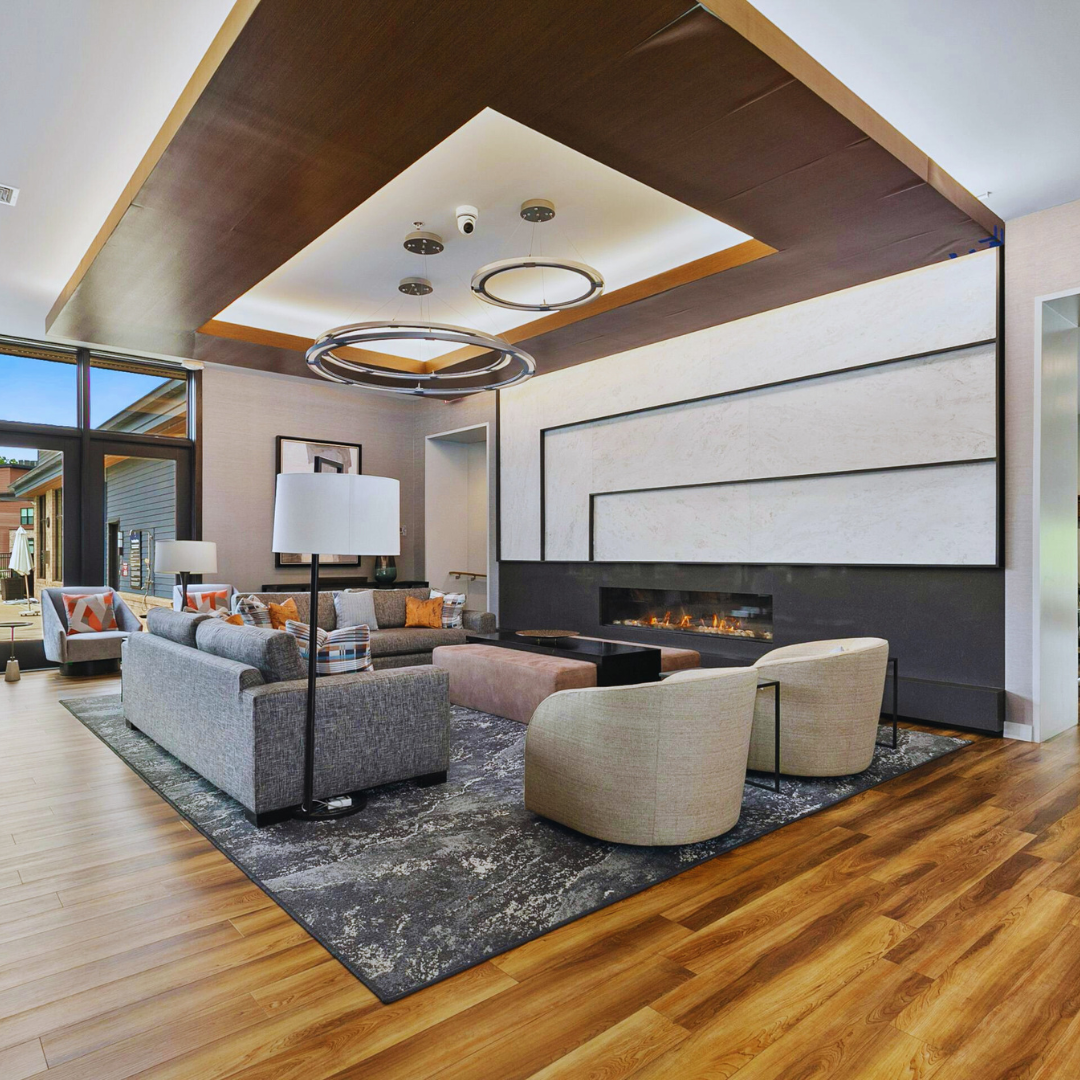
Finding a forever home is a significant step in anyone’s life. Key factors to consider include location, space, community amenities, and long-term maintenance costs. These elements play a crucial role in ensuring the home remains a haven for years to come.
Individuals should prioritize their lifestyle needs when searching for the ideal property. Proximity to work, schools, and recreational activities can enhance daily living and foster a sense of belonging. Accessibility and neighborhood safety are also critical aspects that contribute to overall satisfaction.
Another essential consideration is the home’s adaptability. Spaces should accommodate future changes, such as family expansions or the need for a home office. A well-thought-out environment will make the transition to a forever home smoother and more enduring.
Essential Features for a Forever Home
When selecting a forever home, specific features can significantly impact long-term satisfaction. Key factors such as bedroom flexibility, adaptable floor plans, and multi-purpose living spaces are essential for accommodating the evolving needs of individuals and families.
Flexible Bedrooms and Accommodation
A forever home should ideally include flexible bedroom options. This means having extra rooms that can serve multiple purposes, such as guest rooms, home offices, or children’s play areas.
Designing these spaces with versatile furniture, like Murphy beds or sofa beds, allows homeowners to maximize functionality. Additionally, ensure that bedrooms are appropriately sized to accommodate growing children or additional family members without sacrificing comfort.
Adaptable Floor Plans
An adaptable floor plan is crucial for a forever home. Look for layouts that allow for easy reconfiguration as life circumstances change. Open floor plans can enhance connectivity between living spaces, making homes feel more spacious.
Consider designs with minimal structural walls that can be moved or altered later. This adaptability allows for future alterations to accommodate a growing family or personal preferences without extensive remodeling.
Multi-Purpose Living Spaces
Multi-purpose living spaces provide significant value in a forever home. These areas can combine functions—such as a living room that triples as a family area, study, and play zone.
Incorporating elements like built-in shelving or storage units can help keep such spaces organized and clutter-free. Homeowners should look for features that enable easy transitions between activities, fostering a seamless living experience that adapts to lifestyle changes.
Future-Proofing and Long-Term Comfort
Considering future needs is essential when selecting a forever home. Key factors include flexibility in workspaces, adaptability for aging in place, and options for additional living units. These elements ensure a comfortable and practical living situation for years.
Home Office and Study Options
A dedicated home office or study area is increasingly important. It supports remote work and personal projects. Look for spaces with plenty of natural light, good acoustics, and adequate outlets.
Key features to consider:
- Size: Sufficient space for a desk and storage.
- Accessibility: Proximity to common areas, yet private enough for focused work.
- Design: Built-in shelves or modular furniture can enhance functionality.
Versatile options, such as converting a spare bedroom or utilizing a nook, can maximize utility.
Age in Place Considerations
Homes should accommodate aging residents comfortably. Accessibility modifications and adaptable design can make a significant difference.
Important elements include:
- Single-Level Living: Reduces the need for stairs, making it safer.
- Bathroom Safety Features: Grab bars, walk-in tubs, and non-slip flooring enhance security.
- Wider Doorways: Allow for mobility aids if needed in the future.
These features not only aid in comfort but also promote independence as one ages.
Accessory Dwelling Units
Accessory Dwelling Units (ADUs) offer additional benefits, providing flexibility for family or rental income. They can accommodate aging loved ones or serve as a home office.
Considerations for ADUs:
- Zoning Laws: Ensure the property allows for ADU construction.
- Design Cohesion: The structure should harmonize with the main house.
- Accessibility Features: Similar to the main house, it includes elements like ramps and wide doorways for ease of access.
Investing in an ADU can increase property value and provide necessary living space in the future.
Outdoor Spaces and Quality of Life
Outdoor areas significantly influence quality of life, offering spaces for relaxation, recreation, and connection with nature. Key features to consider include gardens, low-maintenance elements, and sustainable designs.
Garden and Outdoor Living
A well-designed garden enhances outdoor living and adds aesthetic value. Look for properties with ample space for planting, entertaining, and playing.
The garden layout can foster social interactions and provide a retreat from daily stress. Elements like pathways, seating areas, and diverse plant selections can create a harmonious environment.
Incorporating features such as raised beds or container gardens allows for customization and eases maintenance. Consider sun exposure and soil quality, crucial for healthy plant growth.
Low-Maintenance Features
Opting for low-maintenance landscaping can save time and resources. Choose native plants that thrive in local conditions and require less water and care.
Hardscaping options, like gravel paths or stone patios, reduce lawn area while enhancing usability.
Features such as automated irrigation systems can also lessen the time spent on upkeep. Efficient designs offer a balanced approach to enjoying outdoor spaces without excess labor.
Energy Efficiency and Sustainability
Eco-friendly elements in outdoor spaces significantly impact long-term living costs. Start by assessing the orientation of the house and garden for optimal sunlight and shade.
Utilizing sustainable materials for decks and fences minimizes environmental impact. Solar panels for garden lighting can also improve energy efficiency while being cost-effective.
Rain gardens or permeable paving can reduce runoff and support local ecosystems. These elements not only enhance the property’s appeal but also promote a responsible lifestyle.
Financial Planning and Investment
Effective financial planning is crucial for securing a forever home. This involves setting a realistic budget, preparing for future upgrades, and making informed decisions about long-term value.
Setting a Realistic Budget
A realistic budget is essential for home buyers. They should evaluate their income, monthly expenses, and existing debts to determine a comfortable price range for a new home.
Common guidelines suggest that housing costs should not exceed 28%-30% of gross monthly income. It’s wise to use tools like a budget calculator to incorporate one-time costs, such as closing fees, and ongoing expenses like property taxes and homeowner’s insurance.
Buyers should also consider setting aside an emergency fund for unforeseen repairs or changes in finances.
Planning for Expansion and Upgrades
It’s important to think about the future when selecting a home. Buyers may want additional space as their needs change over time, whether that’s a growing family or a home office.
Planning for expansions can involve evaluating current zoning laws and the potential for additions.
Buyers should incorporate estimated costs of renovations into their overall budget. These costs can include everything from minor upgrades, like new appliances, to major renovations, such as adding a bathroom.
Consulting with contractors or real estate professionals can provide clarity on potential expenses.
Long-Term Value Considerations
Purchasing a home is often a significant investment. Consideration of long-term value should guide buying decisions. Homes in desirable neighborhoods tend to appreciate more than those in less sought-after areas.
Factors to assess include proximity to schools, public transport, and employment opportunities.
Buyers should research the historical price trends and future developments planned in the area.
Evaluating the resale value of a home is key; properties with unique features or classic designs may hold their value better over time.
Engaging with a financial advisor can also offer insights into investment potential aligned with long-term goals.