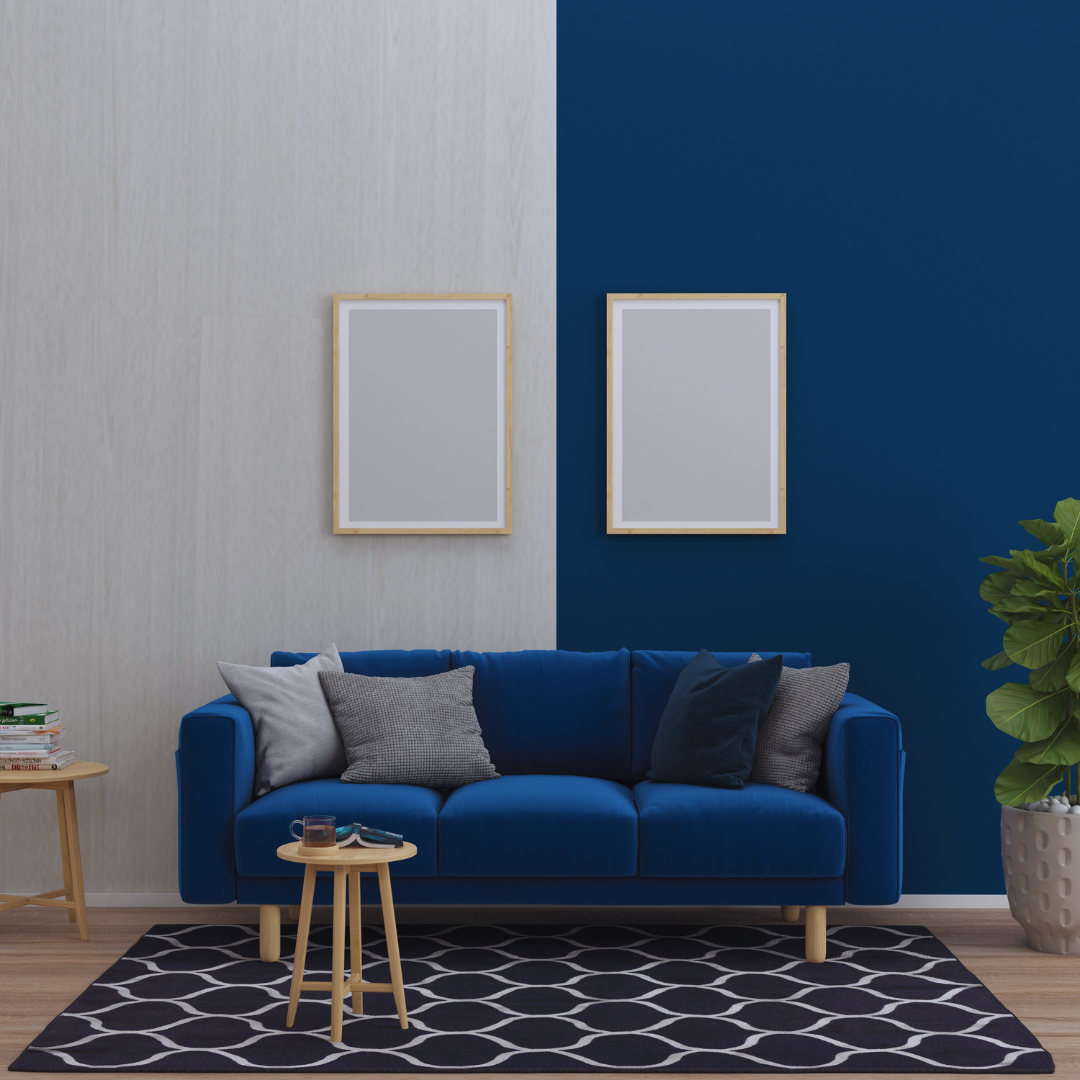
Mixing textures and materials can transform a space, adding depth and visual interest. To achieve a designer look, he should consider using a balance of smooth and rough textures, layering materials thoughtfully to create contrast. This approach will not only enhance aesthetics but also evoke a sense of harmony within the environment.
Incorporating different materials like wood, metal, and fabrics can bring a room to life. Choosing a dominant texture and complementing it with accents creates focal points that draw the eye. The key lies in understanding how these materials interact and play off each other.
Experimenting with layering can elevate an ordinary setting into an extraordinary one. By thoughtfully combining various elements, they can achieve a sophisticated, cohesive look that speaks to their personal style. Embracing this strategy will enable them to design spaces that feel intentional and inviting.
Foundations of Mixing Textures and Materials
Effective mixing of textures and materials is fundamental in creating visually captivating interior spaces. A clear understanding of texture types, a designer’s approach to layering, and the importance of texture in design can significantly enhance aesthetic quality.
Understanding Texture and Material Types
Textures can be defined as the surface quality of a material, which can be perceived visually or through touch. Key categories include:
- Smooth: Glass, polished metal, and ceramics.
- Rough: Brick, concrete, and unpolished wood.
- Soft: Fabrics like velvet, cotton, and wool.
- Natural: Stone, rattan, and clay.
Mixing these textures requires a perceptive eye. Combining contrasting textures, such as smooth and rough, creates depth and visual interest. A professional interior designer often considers both tactile and visual elements. This interplay allows for a dynamic aesthetic that invites interaction and engagement.
The Designer’s Mindset for Layering
Successful layering starts with intention and conceptualization. Designers approach mixing textures by:
- Selecting a Base Texture: Choose a dominant texture for a cohesive foundation.
- Building Layers: Add contrasting textures to enhance depth.
- Balancing Elements: Ensure no single texture overwhelms others.
Layering different materials can manifest in various ways, such as mixing leather with wool or ceramic with metal. This thoughtful approach creates inviting spaces that feel curated rather than chaotic.
Why Texture Is Essential in Interior Design
Texture plays a crucial role in interior design, influencing perception and mood. For instance:
- Visual Interest: Textures draw the eye and create focal points.
- Tactile Experience: Textural diversity encourages interaction, appealing to senses beyond sight.
- Spatial Dimension: Textures can affect how space is perceived, making areas feel larger or more intimate.
Incorporating a variety of textures elevates design, allowing spaces to reflect personality and evoke emotional responses. Designers utilize this principle to craft environments that resonate with inhabitants, making each space unique.
Establishing a Cohesive Color and Material Palette
Creating a cohesive color and material palette is essential in home decor. A thoughtful approach can elevate the overall design, ensuring that different textures and materials work harmoniously. Key components to consider include a neutral base, a well-thought-out color palette, and the application of design principles like the 60-30-10 rule.
Choosing a Neutral Base
A neutral base sets the foundation for a cohesive design. Common choices include whites, grays, beiges, and soft earth tones. These hues provide a clean backdrop that allows other colors and textures to shine without clashing.
To select the right neutral, consider the lighting in the space. Natural light can alter how colors appear, so test swatches on walls before making a commitment.
A neutral base should complement various materials, from wood to metal. This compatibility will help create a unified look throughout the home.
Selecting a Color Palette
Developing a color palette involves selecting 2-4 main colors that resonate with the design intent. The palette should reflect personal style while harmonizing with the chosen neutral base.
One effective method to select colors is the color wheel. Complementary colors (opposites on the wheel) can create vibrant contrasts, while analogous colors (next to each other) provide subtle transitions.
Incorporating colors with varying saturation levels adds depth to the palette. For instance, pairing a bold navy with softer shades of blue and teal can maintain visual interest without overwhelming the space.
Applying the 60-30-10 Rule
The 60-30-10 rule simplifies the process of balancing color in a room.
- 60%: Dominant color (usually the neutral base).
- 30%: Secondary color (often a bolder hue).
- 10%: Accent color (used sparingly for pops of interest).
This formula helps maintain visual harmony and guides the selection of textiles, furniture, and decor.
For example, in a living room, one might use a light gray as the dominant base, a deep blue for drapes, and mustard yellow cushions as accents. This approach establishes a clear hierarchy while allowing textures and materials to complement each other, leading to a well-designed space.
Layering and Contrasting Textures Like a Designer
Creating depth through layering and contrasting textures is essential for achieving a cohesive and visually engaging space. Designers utilize a variety of materials and finishes to enhance the aesthetic appeal while ensuring that each element complements the others.
Layering Fabrics and Soft Materials
Layering soft textures such as linen curtains and velvet cushions can create a warm and inviting atmosphere. Mixing fabrics contributes to a balanced look. For instance, pairing lightweight linen with plush velvet adds visual interest.
When selecting colors for these fabrics, it’s beneficial to choose complementary tones that unify the design. Warm neutrals can seamlessly blend with rich jewel tones for a striking effect. Designers often recommend incorporating a variety of patterns to elevate the layering without overwhelming the space.
To enhance tactile experience, consider adding knitted throws or textured quilts. These elements foster a sense of comfort while enriching the visual narrative.
Mixing Natural and Industrial Elements
Combining natural textures, such as wood and stone, with industrial materials like metal accents elevates the design. The contrast between soft, organic shapes and sleek, sharp lines creates a dynamic aesthetic.
Incorporation of rough textures, such as reclaimed wood, alongside polished metal surfaces, brings depth to interiors. A carefully placed metal accent, such as a pendant light or a coffee table base, can highlight the beauty of natural materials.
Maintaining harmony in these pairings is crucial. For example, warm woods work well with brass finishes, while cool grays pair nicely with stainless steel. Selecting items that share a similar color palette can tie natural and industrial elements together seamlessly.
Balancing Scale and Proportion
Achieving balance in texture involves understanding scale and proportion. An oversized velvet sofa can serve as a focal point, while smaller, textured accessories should complement its size.
Proportion is key. An arrangement of lightweight items, like thin metal sculptures, should not compete with the heftiness of a solid wooden piece. Maintaining equilibrium can prevent one element from overpowering another.
Designers emphasize layering textures by positioning them at different heights. For example, a low coffee table can be adorned with varying sizes of textured decor items. This approach not only adds dimension but also engages the eye throughout the space.
Curating Textural Accessories and Finishing Touches
Incorporating textural accessories and finishing touches significantly enhances a space. These elements add depth and visually engage the viewer while tying various styles together. The right choices can transform a room by highlighting the interplay of materials.
Incorporating Patterns Strategically
Patterns are essential in creating a dynamic aesthetic. They break the monotony of solid colors and can unify different textures. For example, a geometric rug can harmonize with organic-shaped furniture.
- Contrast: Pair bold patterns with soft textures to create balance.
- Mixing Styles: Combine traditional prints with modern fabrics for a fresh look.
Accent pillows, curtains, and wall art can introduce patterns. Careful selection fosters cohesion without overwhelming the space. A subtle approach ensures that patterns enhance rather than distract.
Using Woven Baskets and Decorative Accents
Woven baskets serve a dual purpose in home decor. They provide both functionality and visual appeal. Their textures can bring warmth and an organic feel, particularly in modern or minimalist designs.
Different materials like rattan, seagrass, or wicker offer varied looks. For instance, a seagrass basket adds a rustic charm, while a sleek wicker design conveys sophistication. Groups of baskets can create a focal point when placed on shelves or as standalone pieces.
In addition, decorative accents such as ceramic vases or metallic bowls can complement textured elements. Mixing these accessories creates layers, enhancing the overall decor.
Maintaining Visual Interest Throughout the Space
To maintain visual interest, one must consider the placement of accessories. A thoughtful arrangement can draw attention to key areas while allowing textures to shine.
- Vary Heights: Use decorative items of different heights to create a dynamic display.
- Layering: Stack books with small plants atop them for depth.
Creating areas of focus is crucial in developing a narrative within the space. This strategy ensures the viewer’s eye moves seamlessly through the room, appreciating the varied textures and materials. Thoughtful placement leads to an engaging and harmonious environment.