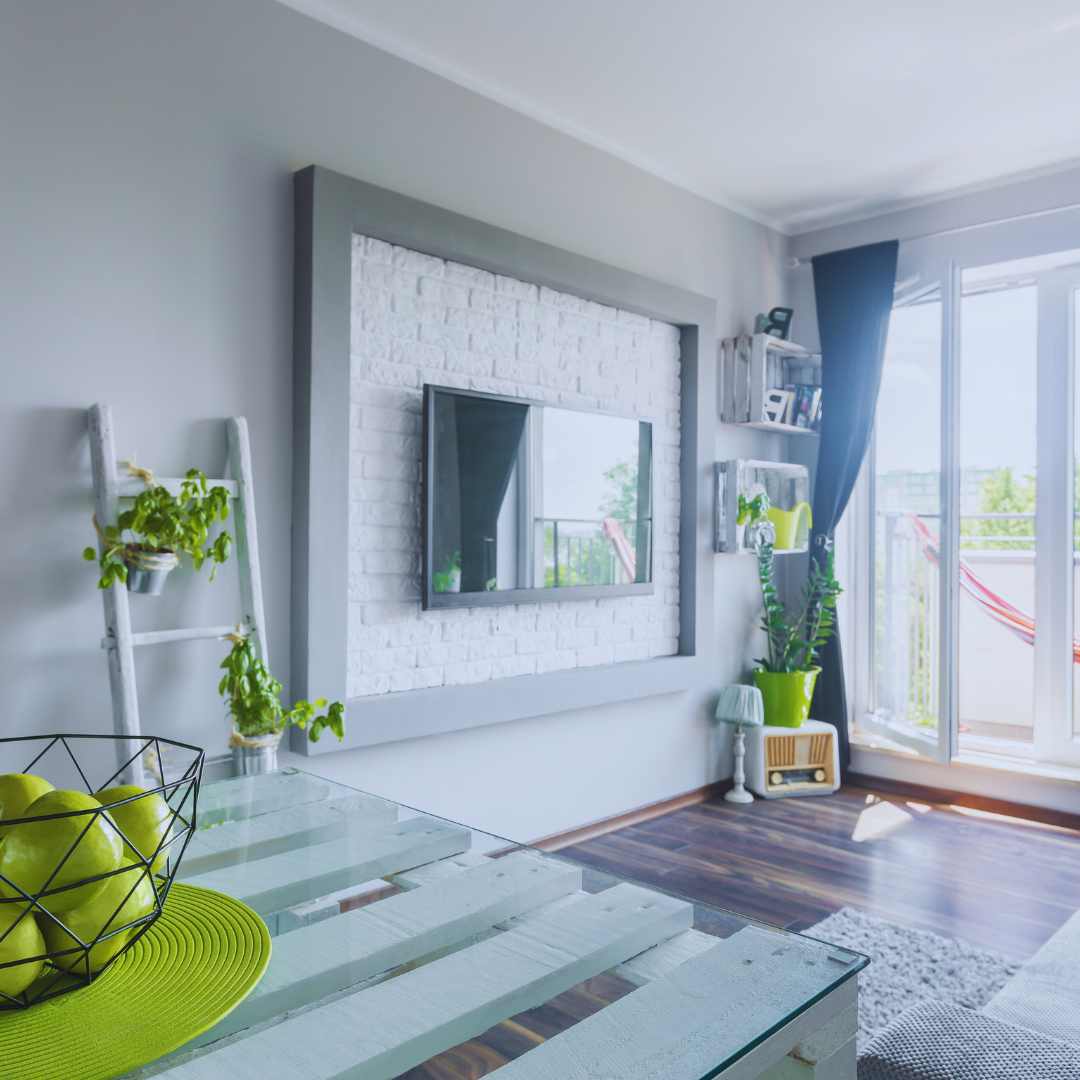
Creating a well-designed room often hinges on the concept of focal points. A focal point serves as an anchor, directing attention and establishing visual interest throughout the space. By strategically placing a focal point, one can enhance the interior design, ensuring a clear visual hierarchy that guides the eye and enhances the overall aesthetic.
Whether it’s a striking piece of artwork, a bold piece of furniture, or an architectural feature, the choice of focal point can dramatically influence the room’s atmosphere. Using focal points effectively can lead to better balance and harmony within the space. This not only makes the room more inviting but also helps to create a cohesive design that resonates with its intended purpose.
For those looking to elevate their interiors, understanding how to incorporate focal points is essential. By learning to prioritize visual interest through these anchors, individuals can transform ordinary spaces into thoughtfully designed environments that reflect both style and function.
Understanding Focal Points as Room Anchors
Focal points play a vital role in interior design by establishing visual hierarchy and guiding the eye through a space. They can enhance a room’s overall aesthetic and functionality by drawing attention to key features. Several types of focal points exist, each serving a unique purpose.
What Is a Focal Point in Interior Design?
A focal point in interior design is an element that draws the eye and becomes the centerpiece of a room. Common focal points can include architectural features like fireplaces, large windows, or built-in shelves. Accent walls, which are typically painted in a bold color or adorned with wallpaper, can also serve as strong focal points.
These elements create visual interest and can significantly influence how a room is perceived. Effective focal points not only focus attention but also help balance the layout by defining the space. Recognizing and utilizing these components is crucial in creating a harmonious environment.
The Role of Visual Hierarchy
Visual hierarchy is essential in guiding the viewer’s experience within a space. Focal points serve as the primary anchors around which other design elements revolve. By establishing a strong focal point, designers can organize furniture, accessories, and color schemes to enhance the overall balance.
The arrangement should encourage the eye to move naturally from the focal point to other features without overwhelming the space. Effective use of scale, proportion, and color can help reinforce this hierarchy, ensuring a cohesive design.
Types of Focal Points in Interior Design
Several types of focal points can be effectively utilized in interior design. Natural focal points, such as a stunning view from a large window or a striking piece of art, create immediate visual interest. Architectural features like fireplaces or built-in bookshelves serve as permanent anchors that establish character.
Accent walls can provide a dramatic backdrop, while carefully chosen artwork can become a captivating centerpiece. Each focal point type brings its own unique qualities, allowing designers to tailor spaces to meet specific aesthetic and functional needs. Effective combinations of these elements can lead to well-balanced and inviting interiors.
Selecting and Enhancing the Right Focal Point
Creating an inviting room starts with selecting and enhancing a focal point. This choice influences the overall aesthetic and functionality. With careful consideration of architectural features, statement furniture, and strategic use of color and texture, one can successfully anchor a space.
Identifying Existing Architectural Features
Recognizing architectural features can guide the selection of a focal point. Elements like large windows, fireplaces, and built-in shelves can naturally draw attention. These features are often already designed to attract the eye.
For example, a beautifully framed window can highlight outdoor scenery, while a fireplace can evoke warmth and coziness. Enhancing these features with complementary decors—such as a comfortable sofa or an elegant chandelier—will further establish their prominence.
In rooms with accent walls, consider utilizing bold colors or textures to create contrast. These elements can spotlight the existing features while harmonizing with the overall design.
Choosing Statement Furniture and Decorative Elements
Statement furniture serves as an anchor for a room. Specific pieces, like a vibrant statement sofa or an eye-catching dining table, can establish a strong focal point. These items should reflect the desired style and tone of the space.
Incorporating decorative elements like artwork or mirrors can enhance the statement piece. A gallery wall featuring various art styles can introduce texture and depth. Additionally, layering textures with velvet or leather can create visual interest.
Consider how a statement headboard in a bedroom or an oversized kitchen island can serve as a central feature. Proper placement of these items will attract attention and guide the flow of movement through the room.
Strategic Use of Color, Texture, and Patterns
Color, texture, and patterns all play a crucial role in emphasizing focal points. Bold colors can influence mood and guide visual pathways while varying textures add depth. Strategic placement of contrasting colors can define a focal area effectively.
For instance, a feature wall painted in a striking hue can draw the eye towards a central sofa or dining set. Patterns can also enhance features, such as a patterned rug that complements a statement table or island.
Using lighting, particularly statement lighting, can also highlight these areas. A well-placed chandelier or spotlight can enhance not just the focal point but the atmosphere of the entire room. These details contribute significantly to creating a cohesive aesthetic.
Design Strategies for Anchoring Different Spaces
Focal points can add depth and character to various areas in a home. Each room benefits from distinct strategies that enhance its purpose while providing a visual anchor.
Living Room Focal Point Solutions
In the living room, a fireplace often serves as a strong focal point. It can be complemented with built-in shelving or floating shelves to draw the eye and create a cozy atmosphere. The arrangement of furniture around the fireplace encourages conversation and connection.
Sofas should be positioned to face this focal feature. Adding decorative elements, such as a coffee table or side tables, further enhances the space. Large-scale art can also work well above the fireplace to provide height and interest.
Incorporating window treatments that frame natural light can help elevate the focal point. Exposed beams or architectural features can be highlighted to create visual interest and structure.
Bedroom and Private Spaces
A bedroom can be anchored by a bed as the centerpiece. Utilizing a prominent headboard or decorative pillows can enhance its appeal. The arrangement of bedside tables on either side can provide balance and symmetry.
For additional interest, one wall may be accented with wallpaper or paint. A well-placed vanity or seating area can add functionality without detracting from the main focal point.
Incorporating shelving units for books or décor adds personality while maintaining a calming ambiance. Selecting calming colors and textures can further anchor the space, promoting relaxation.
Dining, Kitchen, and Multi-Use Areas
In dining areas, the dining table should serve as the primary focal point. A statement light fixture above the table can enhance its importance and create a warm atmosphere. Arranging to seat around the table encourages togetherness.
In kitchens, a kitchen island can act as both a functional space and a focal feature. Choosing contrasting materials, like wood and stone, adds visual interest. Bar stools can also enhance the space, inviting casual conversation.
Multi-use areas can benefit from versatile furniture arrangements. A combination of shelving units and flexible seating can cater to various activities while maintaining a cohesive look. Attention to layout ensures that each area functions effectively while remaining visually anchored.
Supporting the Focal Point: Lighting, Layout, and Balance
Choosing the right lighting, furniture placement, and maintaining balance in a room are essential for reinforcing a focal point. Each element should work in harmony to guide the eye and create an inviting atmosphere.
Maximizing Impact with Statement Lighting
Statement lighting plays a crucial role in highlighting a focal point. Options like chandeliers, pendant lights, or dramatic wall sconces can draw attention and set the mood. For example, a large chandelier can create visual interest above a dining table, enhancing its role as a gathering space.
Strategic lighting placement, including accent lighting or recessed lighting, can also emphasize architectural features. Consider using multiple light sources at different heights to create layers. This approach enhances visual hierarchy and draws the eye toward desired areas. Natural light can be effectively complemented with artificial sources to achieve a balanced effect.
Effective Furniture Placement and Symmetry
Furniture layout is vital in supporting a room’s focal point. Arranging larger furniture items, like sofas and chairs, to face the focal point encourages engagement. This setup creates a natural flow and ensures that the focal point remains central in conversations.
Incorporating symmetry can enhance the room’s design. Using paired pieces, such as matching floor lamps or end tables, creates balance. A well-planned color palette of neutral tones and clean lines reinforces simplicity and elegance, allowing the focal point to stand out.
Avoiding Competing Focal Points
A room can feel cluttered if multiple focal points vie for attention. To avoid confusion, it is crucial to select one primary focal point and arrange the space around it. Other elements should complement rather than compete.
When selecting decor, choose items that enhance the chosen focal point. For instance, wall art should not overshadow a statement lighting fixture but instead serve as a supporting backdrop. Keeping secondary items in neutral tones can further streamline the look. This approach ensures that the designed focal point remains clear and impactful.